
When you bring your child to the dentist or orthodontist, you’re trusting that they’re receiving the most up-to-date, evidence-based care possible. But what many families don’t realize is that behind the scenes, dental professionals are continually learning, collaborating, and refining their approach.
At Pioneer Orthodontics, we believe that continuing education—especially for dental hygienists—plays a direct role in better orthodontic outcomes for your child.
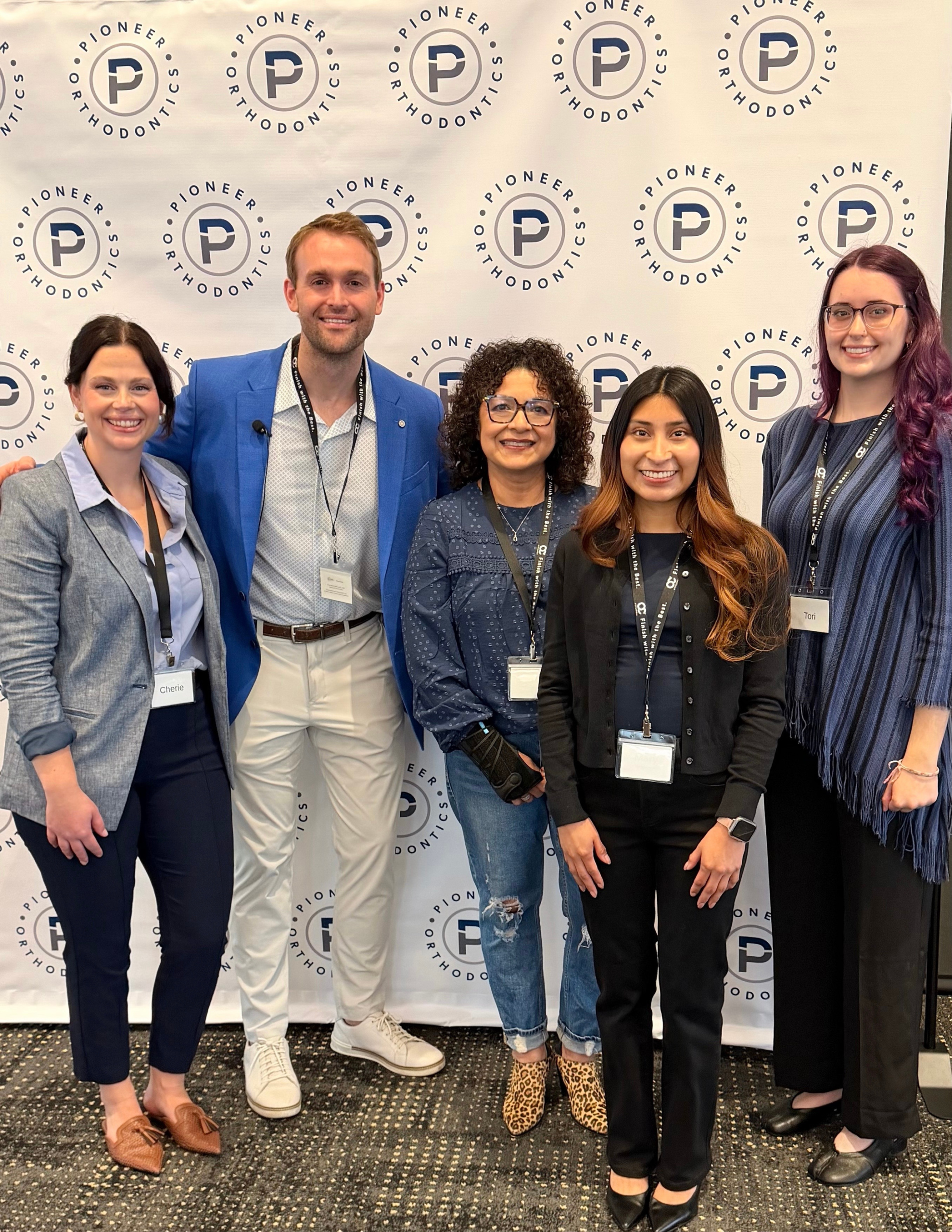
Recently, we had the privilege of hosting a continuing education (CE) evening for hygienists here in Lincoln. While it was a fun and meaningful night, the bigger purpose goes far beyond the event itself.
Let’s talk about why this matters for your family.
Why Continuing Education Matters in Orthodontics
Orthodontics is not a “set it and forget it” specialty. Growth patterns, early intervention strategies, and treatment technologies are constantly evolving.
Organizations like the American Association of Orthodontists emphasize the importance of ongoing education to ensure providers are delivering the highest standard of care.
For your child, that means:
- More accurate timing for treatment
- Better long-term results
- Fewer complications or delays
When dental teams stay current, your child benefits directly.
How Dental Hygienists Play a Key Role in Early Orthodontic Care
You likely see your dental hygienist more often than any other dental professional—and that’s a good thing.
Hygienists are often the first to notice early signs of orthodontic concerns, such as:
- Crowding or spacing issues
- Bite misalignment
- Jaw growth irregularities
- Oral habits (thumb sucking, tongue thrusting)
Because of this, their training and awareness are incredibly important.
According to the American Association of Orthodontists, children should have an orthodontic evaluation by age 7. When hygienists are educated on what to look for, they can help guide families to seek care at the right time—before problems become more complex.
What We Focused on at Our Lincoln Hygienist CE Event
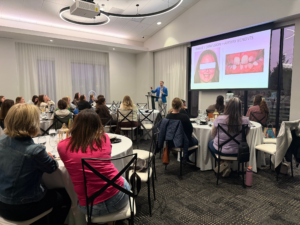
During our recent CE evening, we focused on practical, real-world topics that hygienists can immediately apply in patient care.
Some of the key areas included:
- Identifying early orthodontic concerns during routine cleanings
- Understanding growth and development timing
- When to refer vs. when to monitor
- How airway affects development and sleep disordered breathing
- How early treatment can simplify future orthodontics
- What treatment can do for kids and adults if started at the right time
These conversations are important because they create alignment between dental offices and orthodontic care, which leads to smoother, more effective treatment for patients.
How This Impacts Your Child’s Treatment Experience
You might be wondering—how does a CE event actually affect my child?
Here’s what it looks like in real life:
- Earlier Detection: Concerns are caught sooner, which can reduce the need for more complex treatment later.
- Better Timing: Orthodontic care is started at the ideal stage of growth—not too early, not too late.
- More Coordinated Care: Your dentist and orthodontist are working together with a shared understanding.
- Greater Confidence as a Parent: You can trust that recommendations are based on current best practices—not outdated information.
Our Commitment to Families in Lincoln and York
At Pioneer Orthodontics, we see continuing education as part of our responsibility—not just to our profession, but to the families we serve.
By investing in relationships with local dental teams and supporting their education, we’re helping create a stronger, more connected standard of care across our community.
Because when providers collaborate and grow together, patients win.
Frequently Asked Questions
When should my child first see an orthodontist?
The American Association of Orthodontists recommends an evaluation around age 7. This doesn’t always mean treatment will begin right away, but it allows us to monitor growth and intervene at the right time if needed.
Does early orthodontic treatment always mean braces?
Not at all. Early treatment (often called Phase 1) may involve guiding jaw growth or addressing specific concerns—sometimes without braces. The goal is often to simplify or shorten future treatment.
How do dentists and orthodontists work together?
Your general dentist and orthodontist collaborate to ensure your child’s oral health and alignment are both optimized. Hygienists play a key role in identifying concerns and helping coordinate referrals when appropriate.
Where can I learn more about orthodontic recommendations?
You can explore trusted resources like the American Association of Orthodontists or the Mayo Clinic for evidence-based information about orthodontic care and oral health.
Thinking About an Orthodontic Evaluation?
If you’ve ever wondered whether it’s the right time for your child to see an orthodontist, you’re not alone.
We offer complimentary consultations that include:
- X-rays and photos
- A thorough evaluation
- Personalized treatment recommendations
It’s a simple, no-pressure way to get clarity and feel confident about your next steps. Because when it comes to your child’s smile, timing, education, and teamwork make all the difference.