
One of the most common questions parents ask is, “When is the best age for braces?” The short answer: there isn’t one perfect age—but there is a perfect time for an orthodontic evaluation.
At Pioneer Orthodontics, we work with families throughout our community to determine the right timing for treatment based on each child’s growth, bite, and dental development—not just their age.
When Should a Child First See an Orthodontist?
Age 7 Is the Recommended Starting Point
The American Association of Orthodontists recommends that children have their first orthodontic evaluation by age 7.
This doesn’t mean your child will need braces right away. In many cases, no treatment is started at all. Instead, this visit allows an orthodontist to:
- Evaluate jaw growth
- Check how permanent teeth are coming in
- Identify crowding, bite issues, or airway concerns early
Early monitoring gives families time to plan—and often helps prevent bigger problems later.
Does Seeing an Orthodontist Early Mean Early Braces?
Not Always—and That’s a Good Thing
Many parents worry that an early visit means years of treatment. In reality, most children who are evaluated at age 7 are simply monitored over time.
This approach allows us to:
- Track growth changes
- Start treatment only if and when it’s truly beneficial
- Time braces for maximum effectiveness
Early evaluations are about information and prevention, not pressure.
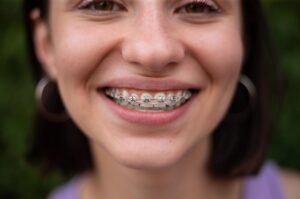
What Is the Most Common Age for Braces?
Braces Are Most Common Between Ages 11–14
For many children, the ideal time for full braces is when:
- Most permanent teeth are in
- Growth is still happening
- The bite can be guided efficiently
This age range often leads to:
- Shorter treatment times
- More predictable results
- Fewer complications
That said, every child develops differently, which is why personalized care matters.
Can Younger Kids Need Orthodontic Treatment?
Understanding Phase 1 (Early) Orthodontic Treatment
Some children benefit from Phase 1 orthodontic treatment, typically between ages 7–10. Phase 1 may be recommended if a child has:
- Severe crowding
- Crossbites or underbites
- Narrow jaws
- Early or late loss of baby teeth
The goal isn’t perfect alignment—it’s to guide jaw growth and create space for adult teeth.
What Happens If Orthodontic Issues Are Left Untreated?
Waiting Isn’t Always the Best Option
Some orthodontic problems don’t improve on their own and may become more difficult to treat with time.
Delaying treatment can lead to:
- More complex braces later
- Longer treatment times
- Increased risk of tooth wear or gum issues
Early guidance can often reduce the need for extractions or more invasive treatment later on.

Is Orthodontic Treatment Faster for Kids Than Teens?
Growth Can Be an Advantage
Children and younger teens often respond more quickly to orthodontic treatment because their jaws are still growing.
That growth allows orthodontists to:
- Guide development naturally
- Correct bite issues more efficiently
- Achieve stable, long-term results
This doesn’t mean teens or adults can’t have excellent outcomes—it just means timing can influence efficiency.
What About Braces for Teens and Adults?
It’s Never Too Late for a Healthy Smile
While early care has benefits, orthodontic treatment is effective at any age.
Teens and adults often choose from:
- Traditional braces
- Clear braces
- Clear aligners
Modern orthodontics offers flexible options that fit different lifestyles, schedules, and esthetic preferences.
How Do I Know When My Child Is Ready?
Signs Your Child May Need an Orthodontic Evaluation
You may want to schedule a consultation if you notice:
- Crowded or overlapping teeth
- Difficulty biting or chewing
- Mouth breathing
- Early or late loss of baby teeth
- Jaws that shift or make sounds
An orthodontic exam provides clarity—and peace of mind.
Frequently Asked Questions About Braces Timing
Is age 7 too young for braces?
Yes, in most cases. Age 7 is for evaluation, not automatic treatment.
Can braces start later if needed?
Absolutely. Many patients begin treatment in their early teens or later.
Do early evaluations cost more?
Early monitoring can actually reduce overall treatment time and complexity. Our first consultation is FREE!
Can adults still get braces?
Yes. Orthodontic treatment works at any age with healthy teeth and gums.
Why Local Orthodontic Expertise Matters
Choosing a local, board-certified orthodontist means your child’s care is:
- Personalized
- Growth-focused
- Backed by advanced training
At Pioneer Orthodontics, we’re proud to care for families in our community and guide smiles at every stage of life.