
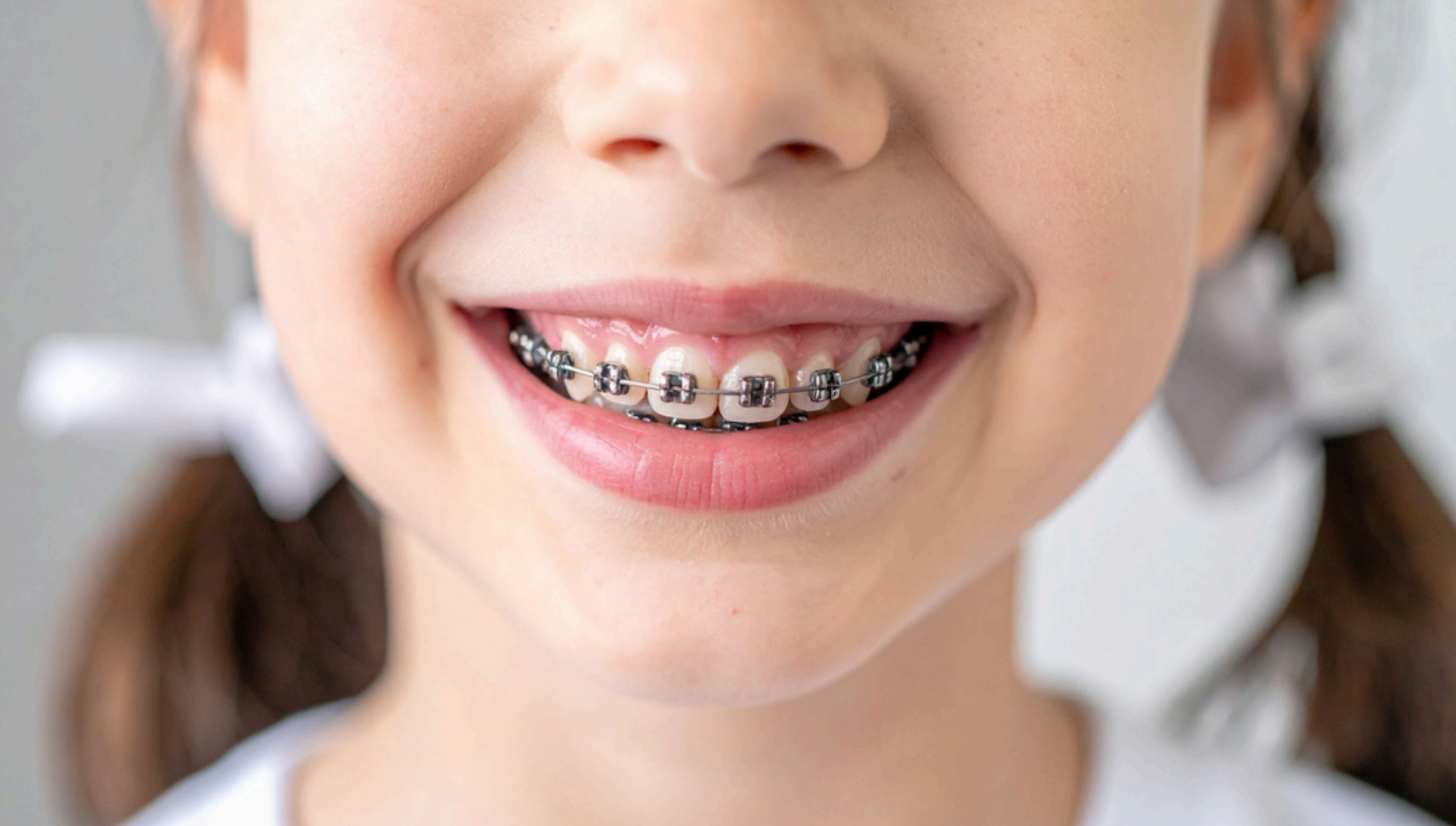
As a parent, one of the most important aspects of your child’s health is ensuring that they develop a confident, healthy smile. Orthodontics plays a significant role in helping children achieve optimal oral health, especially when treatment begins at an early age. Early intervention with braces or other orthodontic devices can have long-lasting benefits and can help avoid more complex treatments down the road.
In this blog post, we’ll discuss why early orthodontic evaluation is important, the benefits of starting treatment at a young age, and when you should consider bringing your child in for an orthodontic consultation.

Why Early Orthodontic Evaluation Is Important
The American Association of Orthodontists (AAO) recommends that children have their first orthodontic evaluation by the age of 7. This is because many orthodontic issues are easier to treat when they are addressed early, while the jaw and teeth are still developing. At this age, your child’s permanent teeth are beginning to emerge, and an orthodontist can spot any early signs of potential problems.
An early evaluation allows the orthodontist to identify potential issues such as:
- Severe crowding of the teeth
- Overbites, underbites, or crossbites
- Jaw growth discrepancies
- Habits such as thumb-sucking or mouth breathing
- Dental alignment issues
By addressing these concerns early, you give your child the best chance for a healthy, beautiful smile that lasts a lifetime.
The Benefits of Early Intervention
Starting orthodontic treatment early can provide several important benefits for your child’s oral health and development. Here are the key advantages:
1. Preventing More Complex Issues Later
Early intervention can help correct bite issues, such as overbites, underbites, and crossbites, before they become more severe. For example, if left untreated, an overbite can cause issues with speech, chewing, and even lead to tooth wear or jaw pain. By addressing these problems early, you can prevent the need for more invasive treatments or surgeries down the line.
2. Improved Jaw and Teeth Alignment
As children grow, their jaws and teeth are constantly shifting. Early intervention can help guide this growth to ensure that the teeth and jaw align properly as permanent teeth come in. This can result in a more stable bite and a better outcome for overall alignment.
3. Guiding Facial Growth
In some cases, early treatment can help guide the development of the jaw. If your child has a significant overbite or underbite, for example, orthodontic appliances can be used to influence the growth of the jaw to ensure a more balanced facial appearance. Early intervention can lead to a more harmonious and aesthetically pleasing facial structure.
4. Reducing the Need for Future Extractions
Crowding is one of the most common issues that children face as their permanent teeth emerge. In some cases, there may not be enough space for all the teeth to come in properly. Early intervention can help create more space and reduce the likelihood that your child will need tooth extractions later on to make room for their teeth.
5. Improved Self-Esteem
A child who feels self-conscious about their smile may be reluctant to smile or interact with their peers. By starting treatment early, you can help your child feel more confident in their appearance as their teeth begin to straighten. Early orthodontics can prevent negative impacts on your child’s self-esteem and social interactions.
6. Shorter Treatment Time Later On
When orthodontic problems are identified and addressed early, the amount of time spent wearing braces later on may be reduced. For example, by correcting jaw alignment or guiding the growth of the teeth in the early years, braces may be used more effectively and for a shorter period of time when your child is older.
When Should You Consider Braces for Your Child?
The timing of orthodontic treatment depends on your child’s individual needs. Some children may require early intervention, while others may not need braces until they are older. Here are some common signs that it may be time to see an orthodontist for an evaluation:
- Crowding: If there is not enough space in the mouth for all of your child’s permanent teeth to come in, early intervention may be needed to create space.
- Bite Problems: If your child has an overbite, underbite, or crossbite, this may need to be addressed early to prevent more significant issues with the teeth or jaw.
- Thumb-Sucking or Mouth Breathing: Prolonged thumb-sucking or mouth breathing can affect the development of the teeth and jaw. An orthodontist can help you address these habits early to prevent issues down the road.
- Misaligned Teeth: If your child’s permanent teeth begin to emerge in a crooked or misaligned pattern, early intervention can help prevent further misalignment.
- Speech or Chewing Difficulties: If your child is having trouble speaking clearly or chewing food properly, it may be due to an underlying orthodontic problem. A consultation with an orthodontist can help determine whether braces or other treatments are necessary.
Types of Early Orthodontic Treatment
Early orthodontic treatment may involve the use of different types of appliances, depending on the issues your child is facing. Some common options include:
- Braces: In some cases, traditional braces can be used early to help move teeth into proper alignment. These braces may be different from the full braces worn later, but they can set the foundation for long-term treatment.
- Expanders: A palate expander can be used to widen the upper jaw and create more space for permanent teeth to come in.
- Retainers: Retainers may be used after early treatment to maintain the improvements in alignment before the full set of braces is applied.
- Functional Appliances: These devices can help guide jaw growth and correct bite issues, especially for children who are still growing.
How to Prepare Your Child for Early Treatment
If your child is recommended for early orthodontic treatment, it’s important to prepare them both mentally and physically. Here are some tips for making the process easier:
- Communicate: Explain the benefits of orthodontic treatment to your child in simple, positive terms. Emphasize that braces or other treatments will help them have a healthy, beautiful smile.
- Get Them Involved: Allow your child to participate in the decision-making process. For example, if they are given a choice between different types of braces, let them choose the one that makes them feel most comfortable.
- Follow the Orthodontist’s Instructions: Be sure to follow all of the orthodontist’s recommendations to ensure the success of your child’s treatment. This may include wearing appliances as directed, keeping follow-up appointments, and practicing good oral hygiene.
Conclusion
Early intervention with braces or other orthodontic treatments can significantly benefit your child’s oral health and overall well-being. By addressing issues such as crowding, bite problems, and jaw alignment early on, you can help your child avoid more complex treatments and ensure a healthier smile for the future. If you haven’t already scheduled an evaluation, consider coming in to see us at Pioneer Orthodontics to see if early intervention could benefit your child. We offer a free 7 & Up Club for kids to monitor jaw growth and change.
Remember, the sooner you start, the better the results. By taking action now, you’re setting the foundation for your child’s future smile!